
What are receptive language disorders?
Receptive language disorders, also known as receptive language impairments, refer to difficulties in understanding and processing language. Receptive language disorders can affect both children and adults. However, they are more commonly identified and diagnosed in children during their early developmental years when language skills are rapidly developing.
The speech therapy professionals at Comprehensive Rehab can help children and adults dealing with receptive language disorders.
What challenges do people with receptive language disorders face?
People with receptive language disorders may experience challenges in the following areas:
- Vocabulary: Difficulty acquiring and recalling words, which can lead to limited expressive language skills.
- Grammar: Trouble understanding and using grammatical rules, such as verb tenses, plurals, and pronouns.
- Comprehension: Struggles with understanding complex sentences, questions, or abstract concepts.
- Sequencing: Difficulty comprehending and organizing information in a logical order.
- Pragmatics: Challenges with understanding social cues, non-verbal communication, and the appropriate use of language in different contexts.
What signs might parents notice?
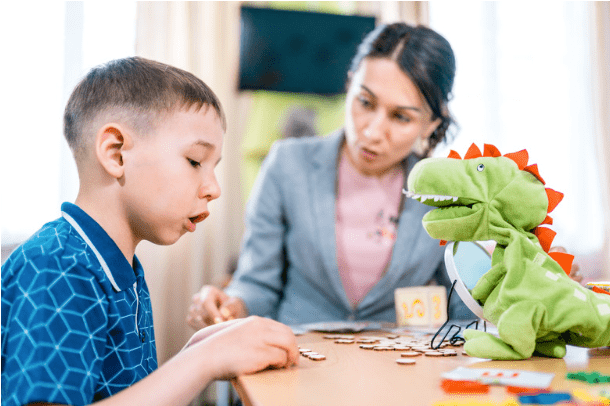
Parents may observe several signs in their child that could indicate a receptive language disorder.
It’s crucial to recognize that having one or more of these signs doesn’t guarantee a definite diagnosis. However, they can act as warning signs that require additional assessment by a speech-language pathologist or other experts.
Here are some common signs to look out for:
- Difficulty Following Directions: The child may have trouble understanding and carrying out simple or complex instructions given by parents, teachers, or other caregivers.
- Limited Vocabulary: The child may have a smaller vocabulary compared to their peers. They may also struggle to learn and recall new words.
- Trouble Understanding Questions: Difficulty comprehending and responding appropriately to various types of questions, such as “who,” “what,” “where,” “when,” and “why.”
- Challenges with Storytelling or Retelling: Difficulty understanding and retelling stories or events in a sequential and organized manner.
- Misunderstanding or Misinterpreting Information: The child may consistently misinterpret or misunderstand information presented to them. This can lead to confusion or incorrect responses.
- Delays in Speech and Language Milestones: The child may exhibit delays in reaching typical speech and language developmental milestones, such as babbling, saying their first words, or forming sentences.
- Problems Following Conversations: Difficulty following and participating in conversations, especially when there are multiple speakers or complex language exchanges.
- Limited Response to Verbal Stimuli: The child may have a reduced or delayed response to verbal cues. This includes not turning their head when their name is called or not responding appropriately to questions or comments.
- Challenges with Classroom Performance: Struggles in academic tasks that require understanding and processing language, such as reading comprehension, written assignments, and following classroom instructions.
- Social Communication Difficulties: The child may face challenges in understanding non-verbal cues. Non-verbal cues such as body language and facial expressions, and struggle to initiate or maintain social interactions with peers.
It’s important to remember that children develop at different rates, and occasional instances of these signs may not necessarily indicate a receptive language disorder.
However, if parents consistently observe multiple signs or have concerns about their child’s language development, it is advisable to consult with a professional. Healthcare professionals or speech-language pathologists can help with a comprehensive evaluation and offer appropriate guidance.
How can the disorders affect a child’s school performance?

In children, receptive language disorders can have a significant impact on their performance in school. The disorder can affect a child’s:
- Reading Comprehension: Receptive language difficulties can create challenges for children. This may include understanding written instructions, comprehending textbooks, and extracting meaning from reading materials. This can hinder their ability to grasp academic concepts and keep up with their peers.
- Classroom Instructions: Children with receptive language disorders may struggle to follow verbal instructions given by teachers. They may have difficulty understanding assignments, tasks, or classroom routines, which can lead to incomplete or incorrect work.
- Vocabulary Development: Receptive language disorders can impede a child’s ability to acquire and understand new vocabulary words. This can affect their understanding of subject-specific terminology, hinder their ability to participate in discussions, and limit their overall expressive language skills.
- Social Interaction: Language is crucial for social interaction in the school environment. Children with receptive language disorders may struggle to understand and interpret social cues, such as gestures, facial expressions, or tone of voice. This can make it challenging to engage in conversations, form friendships, and navigate social situations effectively.
- Academic Achievement: Difficulties in comprehending and processing language can impact a child’s overall academic achievement. They may struggle with tasks that require critical thinking, problem-solving, or understanding complex concepts. This can lead to difficulties in subjects that heavily rely on language, such as reading, writing, and comprehension-based activities.
- Self-esteem and Confidence: Children with receptive language disorders may feel frustrated, misunderstood, or embarrassed due to their difficulties in understanding and expressing themselves. These challenges can affect their self-esteem, confidence, and overall motivation to participate actively in the classroom.
It is essential for educators, parents, and professionals to identify receptive language disorders in children early on and provide appropriate support and intervention.

How can speech therapy help?
Speech therapy and educational accommodations can play a crucial role in helping children overcome these challenges. This will improve their language skills, and enhance their academic performance.
Working with a speech therapist or speech-language pathologist, can be highly beneficial for individuals with receptive language disorders. Here’s how they can help:
- Assessment: A speech therapist will conduct a comprehensive evaluation to determine the specific areas of difficulty and create an individualized treatment plan.
- Therapy Techniques: Speech therapists use various techniques and strategies to address receptive language difficulties. These may include visual aids, repetition, modeling, breaking down complex tasks into smaller steps, and using multi-sensory approaches.
- Language Expansion: Speech therapists help expand vocabulary, improve grammar skills, and enhance overall language comprehension through structured activities and exercises.
- Auditory Processing Training: Speech therapists may employ techniques to improve auditory processing skills, such as auditory discrimination and auditory memory tasks.
- Social Communication Skills: A therapist can work on enhancing pragmatic language skills, including understanding non-verbal cues, maintaining conversations, and appropriate social interactions.
- Home Exercises: Speech therapists often provide exercises and activities to be practiced at home to reinforce language skills outside of therapy sessions.
- Collaborative Support: They may collaborate with teachers, parents, and other professionals involved in the individual’s care to create a supportive and consistent environment for language development.
Concerned about your child’s language development or noticing signs of a potential receptive language disorder? Don’t wait—take action today to support your child’s communication skills and future success. Contact Comprehensive Rehab today at 877-530-6356. We have Iowa offices located in Clinton and Maquoketa.