
Physical Therapy for Bulging or Herniated Discs
Whether caused by incorrectly lifting a heavy object or the accumulation of years of poor posture, a herniated disc can cause not just back pain but an array of other symptoms as well.
The good news, however, is that in most cases surgery isn’t necessary. A combination of time and physical therapy is sufficient in most cases, with an emphasis on relieving the symptoms and correcting what caused them in the first place.
What is a Herniated Disc?
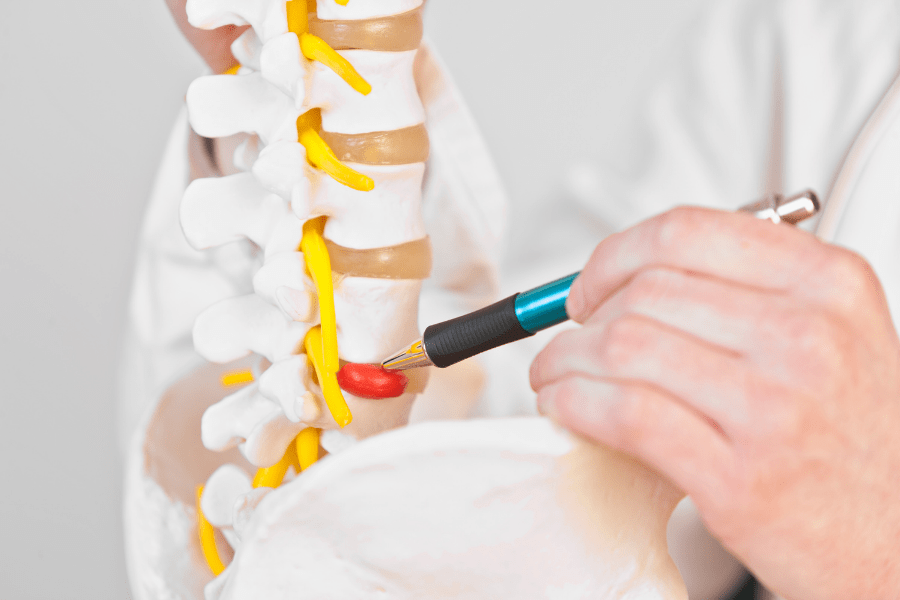
The “disc” in this case is the cartilage that provides cushioning between the vertebra in your spinal column.
This disc is made up of two parts, an outer, rubbery layer known as the annulus fibrosus and an inner, gelatin-like layer known as the nucleus pulposus.
If the outer layer weakens or tears, the inner portion will bulge out or even break through the outer portion.
The symptoms come when this bulging or leaking material places pressure on surrounding nerves.
What Causes a Herniated Disc?
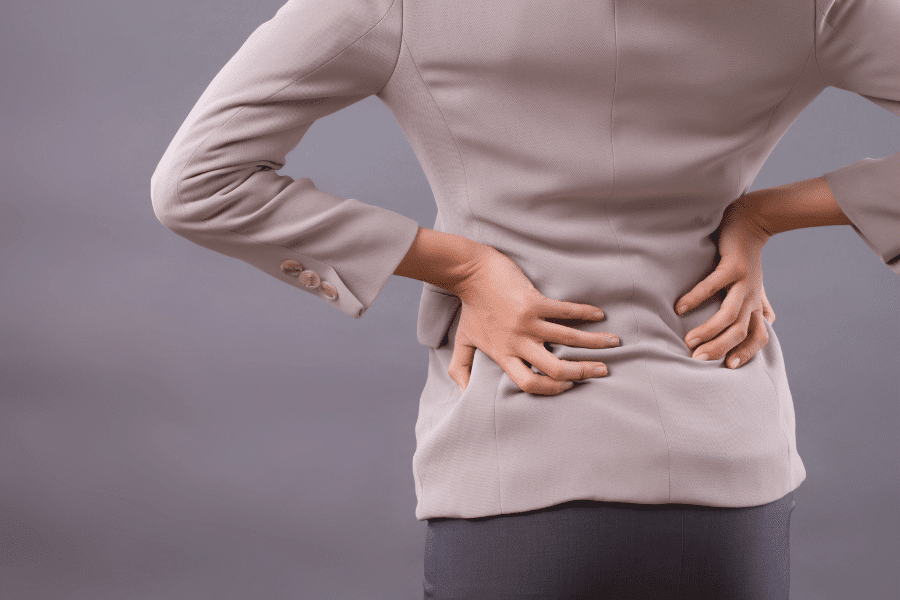
When most people think of back injuries, they think of the ones caused by a sudden injury. You go to pick up a heavy object and suddenly experience a shooting pain in your back.
Some herniated discs are caused by these injuries, which can stress and tear the outer portion of the disc.
In other cases, pressure on the back over time is to blame rather than a sudden injury. Poor posture, over time, can even overstretch the disc, eventually leading to herniation.
Herniated discs are most common in people between the ages of 30-50 years old. Men are twice as likely to be diagnosed with a herniated disc than women.
While herniated discs can occur in any part of the spine, and can occasionally be the cause of neck pain, most cases impact the lower back.
What are the Symptoms of a Herniated Disc?
Some herniated discs are basically asymptomatic. They heal on their own without the person even knowing a problem exists.
When the nerves begin to be compressed, however, that’s when the pain starts.
Along with pain, often in the lower back, herniated discs can cause pain, numbness and weakness in your arms and legs.
Reflexes can slow and joints can stiffen as well.
What Treatment Options are Available?
The good news is that surgery is generally a last resort when dealing with herniated discs. Doctors will often only recommend surgery in the most severe cases or when more conservative treatment options have failed and the disc isn’t repairing on its own.
That leaves physical therapy. It often has two purposes: relieving the symptoms and eliminating the issues that caused the injuries in the first place.
While you should avoid activities that worsen the symptoms, being sedentary won’t be helpful either. The key is working with your physical therapist to find exercises that strengthen the affected areas without exacerbating the symptoms.
Exercising in water, for example, can help relieve some of the pressure on the spinal column.
Treatments will vary depending upon the location and severity of the injury, but physical therapy can be an important part of the healing process.
Contact Comprehensive Rehab
Comprehensive Rehab offers physical therapy services at its locations in Clinton and Maquoketa. Contact us today to schedule an appointment.