
Can physical therapy help my rotator cuff injury?
Unless severe, physical therapy can often halt or reverse mild rotator cuff damage. If the damage does require surgery, post-surgical therapy can help you regain movement and function.
At Comprehensive Rehab, our physical therapists are movement experts. They use their expertise to target and improve muscle function thus improving body mechanics and restoring quality of life.

What is the rotator cuff?
The rotator cuff plays a crucial role in the proper functioning and mobility of the shoulder.
It helps to keep the head of the humerus (upper arm bone) securely within the shallow socket of the shoulder joint. This allows for smooth and controlled movements.
Additionally, it assists in lifting and rotating the arm, particularly during overhead movements.
A rotator cuff attaches the humerus to the shoulder blade and helps to lift and rotate your arm. There are 4 muscles that come together as tendons to form a covering around the head of the humerus. When a tear occurs, strengthening the surrounding muscles and tendons can largely increase mobility and thus decrease pain with movement.
How do rotator cuff tears occur?
Tears and injuries can be acute, happening suddenly through a fall or the lifting of a heavy object. They can also develop over time, known as a chronic injury. A chronic injury to the rotator cuff develops through repetitive activities such as throwing a ball or through certain work activities.
Injuries to the rotator cuff are relatively common and can occur due to trauma, overuse, or age-related degeneration.
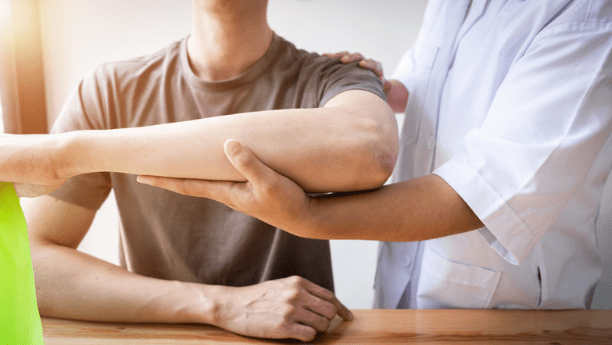
Tears or strains can result in pain, weakness, limited range of motion, and difficulty performing everyday activities or specific shoulder movements.
A torn rotator cuff can cause pain at night, often making sleeping and getting into a comfortable position difficult. Lifting items or moving your arms overhead be can limited by pain and lack of strength.
How are rotator cuff injuries treated?
Treatment for rotator cuff injuries typically involves a combination of conservative measures. These include rest, physical therapy, pain management, and strengthening exercises.
In severe cases or when conservative methods do not provide sufficient relief, surgical repair may be considered.
How can physical therapy help?
Physical therapy plays a crucial role in the management and rehabilitation of rotator cuff injuries. Whether they are partial tears, full-thickness tears, or following surgical repair. Physical therapy can help with the pain by improving the function of the muscles that surround the shoulder.
When these muscles are strengthened through the precision work that a physical therapist provides, they can compensate for damaged tendons and improve the mechanics of the shoulder.
Here’s how physical therapy can be beneficial:
- Pain Management: Physical therapists can use various techniques such as manual therapy, modalities (e.g., heat, ice, electrical stimulation), and therapeutic exercises to help alleviate pain and discomfort associated with the rotator cuff tear.
- Range of Motion Exercises: Physical therapists will guide you through specific exercises and stretches to improve shoulder joint mobility and prevent stiffness. They will gradually introduce movements to restore your ability to reach, lift, and perform daily activities.
- Strengthening Exercises: Targeted exercises will be prescribed to strengthen the muscles surrounding the rotator cuff. These exercises help improve the stability and support of the shoulder joint, reducing the strain on the injured area.
- Functional Training: Physical therapists will work with you to regain functional abilities and enhance your performance in activities that involve the shoulder, such as reaching overhead, lifting, and throwing. They will provide guidance on proper body mechanics and movement patterns to prevent further injury.
- Rehabilitation after Surgery: If surgical repair of the rotator cuff is necessary, physical therapy plays a crucial role in the post-operative recovery process. The therapist will provide a structured rehabilitation program to optimize healing, regain range of motion, and rebuild strength progressively.
- Education and Home Exercise Program: Physical therapists will educate you about the condition, proper body mechanics, and strategies to prevent future injuries. They will also design a personalized home exercise program to continue rehabilitation and maintain gains achieved during therapy sessions.
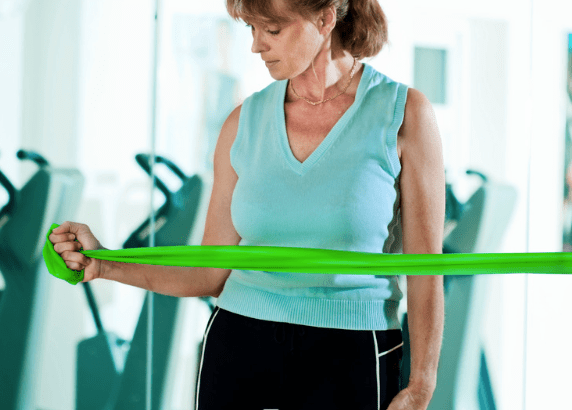
It’s important to work closely with the qualified physical therapists at Comprehensive Rehab. They will assess your specific condition and create an individualized treatment plan. Then they’ll guide you through the appropriate exercises and techniques to facilitate healing and recovery.
To minimize the risk of rotator cuff injuries and enhance shoulder health, one should provide adequate care, engage in regular shoulder-strengthening exercises, and avoid overloading the shoulder joint.
Let our physical therapy experts at Comprehensive Rehab assist you every step of your rotator cuff injury journey.
Contact Comprehensive Rehab today at 877-530-6356. We have Iowa offices located in Clinton and Maquoketa.