
Sprains and Strains

Sprains and strains are both common injuries that can occur in the musculoskeletal system. However, they affect different types of tissues and have different symptoms.
The physical therapists at Comprehensive Rehab can help you on your path to recovery for both sprains and strains.
What is a sprain?
A sprain is an injury to a ligament, which is a tough band of fibrous tissue that connects bones to each other and provides stability to joints. A sprain can occur when a joint is forced beyond its normal range of motion. This then causes the ligament to stretch or tear.
Symptoms of a sprain may include pain, swelling, bruising, and difficulty moving the affected joint.
Sprains are most common in the ankle, wrist, and knee joints. Ankle sprains are particularly prevalent in athletes and active individuals in sports that require jumping or sudden changes in direction.
Most common types of sprains
- Ankle sprains: These occur when the ankle is twisted or turned beyond its normal range of motion. This causes the ligaments on the outside of the ankle to stretch or tear.
- Wrist sprains: These occur when the wrist is bent back or twisted, causing the ligaments to stretch or tear.
- Knee sprains: These occur when the knee is twisted or hyperextended, causing the ligaments to stretch or tear.
Causes of sprains
- Sudden twisting or turning of a joint
- Falling or landing awkwardly
- Overuse or repetitive stress on a joint
- Weak ligaments or muscles
- Improper warm-up or stretching before physical activity
- Uneven or unstable surfaces.
What is a strain?
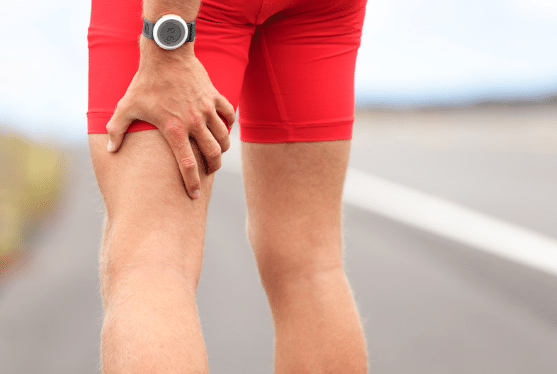
A strain, on the other hand, is an injury to a muscle or tendon, which is a fibrous band of tissue that connects muscles to bones. A strain can occur when a muscle or tendon is stretched or torn due to overuse or sudden trauma. Symptoms of a strain may include pain, swelling, weakness, and muscle spasms.
Causes of muscle strains
- Overuse or repetitive stress: Engaging in activities that require repetitive movements, such as running or playing certain sports, can put excessive strain on the muscles. This increases the risk of strains.
- Poor conditioning or inadequate warm-up: Weak muscles or insufficient warm-up before physical activity can increase the risk of muscle strains.
- Muscle fatigue: Fatigue can cause the muscles to become weak and more susceptible to injury.
- Improper technique or form: Poor form during physical activity, such as lifting weights with incorrect posture, can increase the risk of muscle strains.
- Sudden movement or trauma: An abrupt or unexpected movement, such as a sudden twist or turn, can cause a muscle to stretch or tear.
- Age: As we age, our muscles lose flexibility and elasticity, making them more prone to injury.
- Certain medical conditions: Certain medical conditions, such as muscle disorders or nerve damage, can increase the risk of muscle strains.
Prevent muscle strains by warming up, using proper form, and gradually increasing exercise intensity.
Can physical therapy help with sprains and strains?
Physical therapy can be used to treat both strains and sprains. In fact, physical therapy is often recommended as a first-line treatment for these types of injuries.
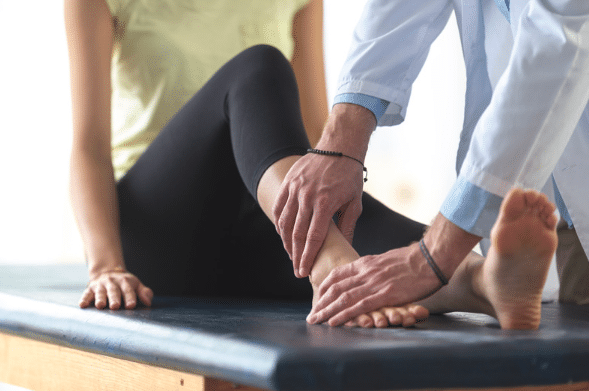
A physical therapist assesses the injury, creates a personalized treatment plan, and aids recovery in the affected area.
Physical therapy for strains and sprains typically includes a variety of things. Exercises, stretches, manual therapy, and other modalities such as heat, ice, or electrical stimulation can help. The specific treatment plan will depend on the type and severity of the injury, as well as the patient’s individual needs and goals.
At Comprehensive Rehab, physical therapy for strains and sprains may focus on:
- Reducing pain and inflammation: Physical therapists may use modalities such as ice, heat, or ultrasound to help reduce pain and swelling in the affected area.
- Restoring range of motion and flexibility: Stretching and range-of-motion exercises can help improve flexibility and mobility in the affected area, reducing stiffness and helping to prevent future injuries.
- Strengthening exercises: Physical therapists will design exercises that focus on strengthening the muscles around the affected area, which can help provide support and stability, reducing the risk of re-injury.
- Functional exercises: Physical therapists may also design exercises that mimic specific movements or activities that the patient needs to perform in their daily life or sport, helping to improve functional performance.
- Education and prevention: Physical therapists can teach patients about proper body mechanics and techniques for preventing future injuries, such as proper warm-up and stretching exercises.
Overall, physical therapy is an effective and non-invasive treatment option for both strains and sprains, helping patients recover from these injuries and reduce the risk of future injury.
Dealing with a sprain or a strain? Contact Comprehensive Rehab or call 877-530-6356.